



Article Summary: A balanced diet does more than help you manage weight — it affects your energy, mood, immunity, and long-term health. This guide breaks down the real balanced diet benefits, helps you spot the signs your current eating habits might be out of sync, and offers realistic, judgment-free tips for building better meals without overhauling your entire life.
Last updated: August 2026
If you’ve ever hit that 3 p.m. wall at work and reached for your third coffee of the day, you already know that what you eat affects how you feel. Or maybe it’s the opposite moment — standing in front of an open fridge at 6 p.m., no idea what to make, reaching for whatever’s easiest. Either way, that’s really at the heart of why balanced diet benefits matter so much: they’re not just about the number on the scale. They touch nearly everything, from how clearly you think to how well you sleep and how your body holds up over the decades.
Maybe you’ve tried to “eat healthier” before and gotten lost in conflicting advice — one article says cut carbs, the next says carbs are fine, and a third tells you to just count calories. It’s exhausting, and it’s easy to wonder if any of it actually matters.
It does. A well-balanced way of eating is one of the most consistent, evidence-backed habits linked to better physical and mental health. This article walks through what a balanced diet actually is, the specific benefits it offers, some honest signs your current eating pattern might need adjusting, and practical ways to get there — without extreme rules or expensive meal kits.
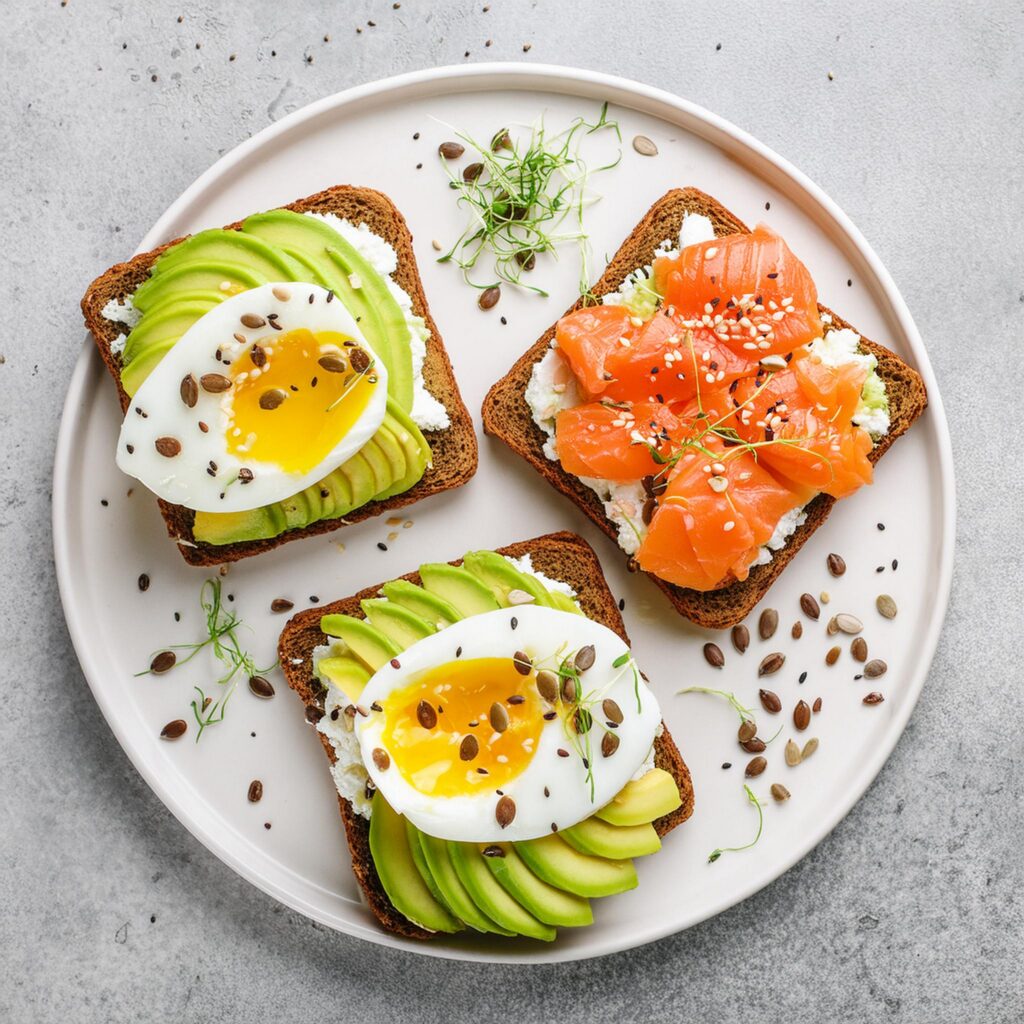
What Are the Benefits of a Balanced Diet?
A balanced diet gives your body the mix of nutrients it needs to function well. In practical terms, that tends to show up as steadier energy throughout the day, a stronger immune response, smoother digestion, better mood and focus, easier weight management, and a lower long-term risk of chronic conditions like heart disease and type 2 diabetes.
Quick Facts: Balanced Diet Benefits at a Glance
| Benefit Area | Quick Impact |
| Energy | Fewer energy crashes; more consistent focus through the day |
| Immunity | Better-equipped immune system to handle everyday illness |
| Digestion | Smoother, more regular digestion from adequate fiber |
| Mood & Mental Clarity | More stable mood and sharper concentration |
| Weight | Easier to maintain a healthy weight without extreme restriction |
| Long-Term Health | Lower long-term risk of several chronic conditions |
What Is a Balanced Diet?
A balanced diet isn’t a specific plan or product — it’s a pattern of eating that includes a variety of foods in reasonable amounts, so your body gets enough protein, carbohydrates, fats, fiber, vitamins, and minerals. It doesn’t mean cutting out entire food groups or living off bland, identical meals.
Think of it less as a rulebook and more as a general shape your meals tend to follow: some protein, some whole grains or starchy vegetables, plenty of fruits and vegetables, a source of healthy fat, and enough fiber to keep things moving. You can absolutely fit in pizza night or dessert — balance is about the overall pattern, not any single meal.
Food Groups and Their Role
| Food Group | Key Nutrients | Primary Role in the Body |
| Whole grains | Fiber, B vitamins, complex carbs | Sustained energy, digestive support |
| Lean protein (meat, fish, legumes, tofu) | Protein, iron, B12 | Muscle repair, immune function |
| Fruits & vegetables | Vitamins, minerals, fiber, antioxidants | Immune support, cellular health |
| Dairy or fortified alternatives | Calcium, vitamin D, protein | Bone health, muscle function |
| Healthy fats (nuts, seeds, olive oil, fish) | Omega-3s, vitamin E | Brain health, hormone regulation |
If you want a deeper breakdown of how these food groups fit together, [Internal Link Opportunity: “What Is a Balanced Diet? A Beginner’s Guide”] is a good next stop — and if you’re curious specifically about vitamins and minerals, [Internal Link Opportunity: “Micronutrients 101: Vitamins and Minerals Your Body Needs”] covers that in more depth.
Why a Balanced Diet Matters
Your body is running thousands of small processes every single day: repairing cells, regulating hormones, managing your metabolism, fighting off minor infections before you even notice them. All of that requires raw materials, and those materials come from food.
When your diet leans heavily on a narrow range of foods — a lot of refined carbs and not much else, for example — your body has to work with an incomplete toolkit. You might still function, but not as well as you could. That’s really the core of why balanced diet benefits show up in so many different areas of health at once: energy, mood, immunity, and long-term disease risk aren’t separate systems. They’re all fed by the same daily choices.
Physical Health Benefits of a Balanced Diet
Let’s get into specifics, because “eat better, feel better” is a bit vague on its own.
Energy and Metabolism
You know that sluggish, foggy feeling that hits mid-afternoon? For a lot of people, that’s tied to what they ate — or didn’t eat — earlier in the day. Meals that lean heavily on refined sugar or simple carbs can cause a quick energy spike followed by a crash, while meals that combine protein, fiber, and healthy fats tend to release energy more gradually. Over time, a more balanced pattern of eating can mean fewer of those dramatic highs and lows.
Immune System Support
Ever notice how you seem to catch every cold that goes around the office, while a coworker never seems to get sick? Diet isn’t the only factor there, but it plays a real role. Your immune system relies on specific nutrients — vitamin C, vitamin D, zinc, and others — to function properly. A diet that regularly includes a variety of fruits, vegetables, and protein sources gives your body a steadier supply of what it needs to respond to everyday exposure to germs, rather than scrambling to catch up.
HealthWend Tip: You don’t need supplements to cover this — citrus fruit, bell peppers, and leafy greens for vitamin C, and yogurt, eggs, or fortified foods for vitamin D and zinc, go a long way when eaten regularly.
Digestive Health
Fiber doesn’t get much glory, but it does a lot of quiet work. It feeds beneficial gut bacteria, helps digestion run smoothly, and keeps things moving comfortably. If your meals lean heavily on processed foods and light on fiber, that’s often where bloating and irregularity creep in.
Weight Management
This is where a lot of people expect a balanced diet to be only about weight loss, but it’s a bit different. If you’ve tried restrictive diets before and found them impossible to stick with, you’re far from alone — that’s a common, frustrating pattern, and it’s not a personal failing. Rather than cutting calories aggressively, a balanced approach focuses on portion awareness and food quality. Many people find it’s easier to maintain a healthy weight over time this way, simply because they’re not white-knuckling through restriction. If weight is a specific focus for you, [Internal Link Opportunity: “Balanced Diet for Weight Management”] goes into more detail.
Common Mistake: Treating “balanced” as a synonym for “low-calorie” and under-eating to compensate after a rough week. This tends to backfire — it’s the pattern balanced eating is actually designed to move away from.
Mental and Emotional Benefits of a Balanced Diet
This part often gets skipped in nutrition articles, which is a shame, because it’s one of the more noticeable benefits for a lot of people.
What you eat has a real relationship with how you feel — not in a magic-cure kind of way, but in a steady, cumulative way. Blood sugar swings from irregular eating can contribute to irritability and difficulty concentrating. Certain nutrients, like omega-3 fatty acids found in fish, walnuts, and flaxseed, are commonly associated with brain health and mood regulation.
Mood, Focus, and Stress Resilience
If you’ve ever noticed you’re snappier or more distracted when you’ve skipped lunch or lived on coffee and crackers all day, that’s not just in your head. Picture a parent trying to hold it together by 6 p.m. after a day of rushed, skipped, or forgotten meals — patience runs thin fast under those conditions. Stable blood sugar tends to support steadier mood and clearer thinking. A balanced diet won’t eliminate stress from your life, but it can make you a bit more resilient to it, day to day.
Long-Term Disease Prevention Benefits
Beyond how you feel today, eating patterns matter for how your body holds up over the years. Diet quality is one of several key factors — alongside physical activity, sleep, and genetics — that public health organizations such as the CDC, NIH, and WHO consistently point to. It’s associated with the risk of conditions like cardiovascular disease, type 2 diabetes, hypertension, and high cholesterol. [External Link Opportunity: link to current CDC or WHO healthy-diet guidance page]
It’s worth being honest here: a balanced diet isn’t a guarantee against disease, and it’s not a substitute for regular checkups or medical care. But diets consistently rich in whole foods, fiber, and a variety of nutrients are associated with lower long-term risk of several chronic conditions, according to general guidance from these organizations. It’s one of the more meaningful, controllable factors in long-term health.
HealthWend Tip: Diet is one piece of the picture. If chronic disease runs in your family, it’s worth discussing your personal risk factors and family health history with a doctor alongside any dietary changes you make.
Myth vs. Fact
| Myth | Fact |
| “Balanced diet” means eating the same bland meals every day. | It means variety — you can enjoy a wide range of foods, including treats, in reasonable amounts. |
| You need to cut out carbs or fat to eat well. | Both are essential nutrients; balance is about quality and portion, not elimination. |
| Eating balanced only matters if you’re trying to lose weight. | It supports energy, mood, immunity, and long-term health regardless of weight goals. |
| You have to overhaul your whole diet overnight. | Small, gradual changes tend to be more sustainable and just as effective over time. |
| Balanced eating requires meal prepping every Sunday. | It helps, but it isn’t required — plenty of people eat well with simple, in-the-moment choices instead of a full prep routine. |
Signs Your Diet May Not Be Balanced
There’s no single symptom that proves your diet is “unbalanced” — bodies are complicated, and lots of things affect how you feel. But a few patterns are worth paying attention to: frequent energy crashes, regular cravings for sugar or salty snacks, digestive discomfort, getting sick often, or realizing you’ve eaten the same three meals on repeat for weeks.
Noticing these signs can feel a little discouraging at first — but that reaction is normal, and it doesn’t mean anything has gone wrong. Most people’s diets drift out of balance gradually, usually because life gets busy, not because of a lack of discipline.
Common Mistake: Treating one unbalanced day, or a craving here and there, as proof that you’ve “failed.” A single meal doesn’t undo your overall pattern, and it isn’t a reason to abandon the effort.
HealthWend Tip: Use the checklist below as a starting point, not a scorecard. It’s meant to point you toward one useful next step, not to grade you.
“Is Your Diet Balanced?” A Quick Self-Check
| Checklist Item | Yes / No |
| I eat vegetables or fruit at most meals | |
| I include a protein source at most meals | |
| I eat whole grains more often than refined ones | |
| I rarely skip meals entirely | |
| I drink mostly water rather than sugary drinks | |
| I don’t regularly feel a sharp energy crash after eating |
If you answered “yes” to most of these, your overall pattern is likely in decent shape already — the “Practical Tips” section below can help you fine-tune from there. If you answered “no” to several, that’s not a failing grade — it’s just useful information pointing you toward one specific area, like meal consistency or protein intake, to focus on first.
Also Read: Balanced Diet Essentials for Growing Kids
Practical Tips to Eat More Balanced Meals
You don’t need a meal-prep Instagram account or a color-coded spreadsheet to eat more balanced meals. Small, realistic swaps tend to stick better than dramatic overhauls.
Start by adding rather than subtracting. Instead of trying to cut foods out, look for one thing you can add to your usual meals — a handful of spinach in your eggs, a side salad with lunch, or fruit as an afternoon snack instead of chips. Batch-cook a protein or grain on the weekend so weeknight dinners take less effort. Keep easy, balanced snacks on hand — nuts, yogurt, cut vegetables — so you’re less likely to grab whatever’s fastest when you’re hungry and short on time.
Many parents find that involving kids in simple meal choices, like picking which vegetable goes with dinner, makes balanced eating feel less like a battle. And if your weekday lunches usually come from a vending machine or whatever’s left in the break room, even packing one balanced component — a piece of fruit, a handful of nuts — can make a difference over time.
Common Mistake: Trying to overhaul every meal at once. It’s a fast route to burnout. Picking one meal, one small swap, tends to work far better than rewriting your entire diet overnight.
A Few Pro Tips
- Build meals around a protein and a vegetable first, then add grains or starches.
- Keep frozen vegetables on hand for nights when fresh isn’t realistic.
- Don’t aim for perfect — aim for slightly better than your current pattern.
So, out of everything above — what’s the one swap you could actually see yourself trying this week?
Balanced Diet vs. Fad Diets
“Balanced diet” isn’t just another wellness trend with a friendlier name. Fad diets typically involve cutting out entire food groups or relying on strict rules that are hard to maintain long-term. A balanced approach is built around flexibility and variety instead — which is part of why it tends to be more sustainable.
| Factor | Balanced Diet | Fad Diet |
| Food variety | Encouraged | Often restricted |
| Sustainability | Designed for long-term habits | Often short-term or hard to maintain |
| Flexibility | Allows treats in moderation | Frequently eliminates entire categories |
| Focus | Overall nutrient adequacy | Often centered on rapid results |
Sample Balanced Day
This isn’t a meal plan to follow exactly — just an example of what “balance” might look like in practice on a typical day.
| Meal | Example |
| Breakfast | Eggs, whole-grain toast, and a piece of fruit |
| Lunch | Grilled chicken or beans, mixed greens, whole grain, olive oil dressing |
| Snack | Greek yogurt or a small handful of nuts |
| Dinner | Baked fish or tofu, roasted vegetables, brown rice or quinoa |
| Evening | Water or herbal tea; dessert in moderation if desired |
HealthWend Tip: This example isn’t one-size-fits-all — swap in plant-based proteins, gluten-free grains, or budget-friendly staples like beans and eggs to fit your own needs and preferences. For more structured guidance, [Internal Link Opportunity: “Balanced Diet Meal Plan for Beginners”] offers a fuller weekly example.
Weekly Progress Tracker
Small, visible progress is often more motivating than a big all-or-nothing goal. A simple tracker like this can help.
| Day / Week | Habit Goal | Completed (Y/N) |
| Monday | Add one vegetable to a meal I’d normally skip it in | |
| Tuesday | Swap a sugary drink for water | |
| Wednesday | Include a protein source at lunch | |
| Thursday | Pack one balanced snack instead of grabbing convenience food | |
| Friday | Try one new whole grain or vegetable | |
| Weekend | Batch-cook something for the week ahead |
Key Takeaways
- A balanced diet is about variety and nutrient adequacy, not restriction or perfection.
- Benefits reach beyond weight — energy, mood, immunity, and long-term disease risk are all connected to daily eating patterns.
- Signs of an unbalanced diet (fatigue, cravings, digestive issues) are common and fixable, not personal failures.
- Small, sustainable swaps tend to work better than dramatic overhauls — add before you subtract.
- Pick one small change this week — like adding a vegetable to dinner or packing a piece of fruit for lunch — rather than trying to change everything at once.
Frequently Asked Questions
What exactly counts as a “balanced diet”? It’s an eating pattern that includes a variety of foods — protein, whole grains, fruits, vegetables, and healthy fats — in reasonable portions, so your body consistently gets the nutrients it needs. It’s flexible, not a fixed meal plan.
How long does it take to see the benefits of eating better? It varies. Some effects, like more stable energy, can show up within days to a couple of weeks. Others, like long-term disease risk reduction, build up gradually over months and years of consistent habits.
Can I still eat treats on a balanced diet? Yes, definitely. Balance is about your overall pattern of eating, not any single meal or snack — treats fit into that pattern just fine in reasonable amounts.
Is a balanced diet the same as a low-calorie diet? No — and this is a common mix-up. A balanced diet focuses on nutrient variety and quality, not necessarily a calorie target. Calorie needs vary from person to person and aren’t the main focus of eating in a balanced way.
How does a balanced diet affect energy levels? Meals that combine protein, fiber, and healthy fats tend to release energy more steadily than meals high in refined sugar. That steadiness is often what helps reduce the mid-day crashes many people experience.
Do I need supplements if I eat a balanced diet? Many people can meet their nutrient needs through food alone, but individual needs vary quite a bit — pregnancy, certain health conditions, and restricted diets can change the picture. If you have specific concerns, it’s worth discussing with a healthcare provider or registered dietitian.
How does a balanced diet benefit children differently than adults? Children have different nutrient needs to support growth and development, but the general principle of variety and adequacy still applies. Portion sizes and specific nutrient priorities — like calcium for bone growth — differ by age.
What’s the easiest way to start eating more balanced meals? Add before you subtract. Pick one meal a day and add a vegetable, fruit, or protein source to it, rather than trying to overhaul every meal at once.
Can a balanced diet improve sleep quality? There’s a real connection between the two. A heavy, sugary meal too close to bedtime can leave you tossing and turning, while more balanced, consistent eating patterns are often associated with steadier sleep. Individual results vary.
Is it expensive to maintain a balanced diet? It’s a fair worry, but not necessarily. Staples like beans, frozen vegetables, eggs, and whole grains are generally affordable and nutrient-dense. Balance is more about variety than about buying premium or specialty products.
Conclusion
Balanced diet benefits aren’t about chasing a perfect plate or following a rigid set of rules. They’re about giving your body a steady, varied supply of what it needs — and letting that consistency pay off in how you feel today and how your health holds up over time. You don’t have to change everything at once. Pick one meal, one small swap, one habit you can actually stick with, and build from there.
So — after everything above, where do you land on the self-check? Whatever the answer, that’s exactly where to start.
Also Read: balanced diet is an important part of maintaining
Calls to Action
- Primary CTA: Try the “Is Your Diet Balanced?” self-check above and see where you land — then pick just one area to work on this week.
- Secondary CTA: Download a printable version of the balanced-plate guide to keep on your fridge or in your kitchen.
- Newsletter CTA: Want more practical nutrition guidance like this? Subscribe to the HealthWend newsletter for weekly tips.
Medical Disclaimer
This article is for educational purposes only and is not a substitute for professional medical advice, diagnosis, or treatment. Always consult a qualified healthcare provider or registered dietitian regarding your individual nutrition needs or before making significant changes to your diet.